Waiting for her husband to come home from work, Susan sits at the kitchen table sipping thymeinfused tea, taking small, unhurried gulps. She hears a key turning in the lock, stands, and pauses in the doorway. In walks Ian, her husband, looking serious and silent.
Hi, she says first. Late again Ive already had dinner and Ive been waiting for you
Hi, Ian replies. You could have not waited; Im not hungry. Ill be brief, pack a few things and be off, he says without removing his shoes. He moves into the living room, opens the wardrobe and pulls out a suitcase.
Susan freezes, bewildered, watching him toss the first random items into the case.
Ian, whats going on? she asks.
You dont get it? Im leaving you, he states flatly, avoiding her eyes.
Where to?
To another woman
Oh, Im guessing a young one, even though youre only forty thats not old, Susan replies with a hint of sarcasm as she starts to comprehend the moment. I wont shed a tear; he wont see them, she convinces herself, then aloud, How long has this been going on?
Almost a year, Ian says calmly, and, seeing her shock, adds, thats your problem. If you didnt notice, I was very good at hiding it.
Youre really going? she asks suddenly.
Susan, do you even understand? Listen to me Im leaving you for someone else. Were expecting a child with her. We couldnt have one together, so Kate will give me a son. Im giving you a month to move out of my flat. How and where you go is up to you. Well live with Kate and the baby while she rents elsewhere.
Ian leaves. Susan is left alone, the walls pressing in, the flat silent. She turns on the television, anything to hear a voice. Twelve years with Ian feel like a week now, but she pulls herself together.
From her late parents she inherited a cottage in a Yorkshire village. Living alone in the countryside doesnt appeal to her.
I cant live there, Susan thinks. Its far from civilisation, no amenities, no work Im thirtyfive, I dont want to spend my life in a hamlet. Ill sell the house and use the money to rent a council flat or a dormitory; the rest will sort itself out.
She sells the cottage as soon as she arrives back in the village. Her neighbour, Martha, is already waiting.
Love, its good youre here. We were about to drive into town looking for you, Martha says.
Whats happened? Susan asks.
My relatives from the north want to buy your house. They need a modest place to tear down and rebuild nearby, close to us. My sister and her husband
Oh dear, Martha, thats exactly why I came. Let them have it, well just agree on a price. Heres my phone number
Within ten days the money lands in her account a modest sum, what youd get from a halfruined property. She manages to buy a tiny dormstyle room in a council block. The kitchen is shared, two other tenants occupy the remaining rooms, and she claims the third. She calls it a council flat.
The other residents seem quiet and respectable. Susan rarely crosses paths with them, working long hours, and it is at work that a romance sparks with her colleague Trevor. Everything appears to be going well, at least from Susans perspective.
A few days before International Womens Day, Trevor tells her:
I need a lot to think about. Im not sure about my feelings, lets take a break.
Fine, take a break or just disappear into the woods, she snaps.
She returns home that evening, angry, her thirtysixth birthday looming, with no time for pauses. She decides to vent her stress on food. Opening the fridge, she sees a small slice of ham but cant find it. She trembles.
Who took my ham? she roars across the kitchen.
It was me, love. I threw it out two days ago it had gone green and started to smell. I thought you wouldnt eat it anyway, why risk your health, says the neighbour, Vera, calmly, almost conspiratorial.
You have no right to decide what I eat, Susan hisses. Its not your business.
She explodes, pouring all her fury onto Vera. Not only had she split from her husband and lost a stable home, her colleague had taken a break, and now a neighbour was pilfering her food.
Dont be upset, Vera, says George, the sixtyyearold neighbour from the next room. Hes a silverhaired, bespectacled gentleman, always perched in the old armchair with a newspaper or a book.
Its clear Susans angry. Shes lashing out at you because someone else upset her. Dont take it personally, George advises, never looking away from his paper.
What do you know? Susan snaps back. No one asked your opinion.
Believe me, I know a little.
If youre so wise, why are you still living in this rundown council flat? Susan cant be stopped.
She decides to apologise. Vera sighs, looks away, and retreats to her room. Susan slams her door and plops down on the sofa.
Another kitchen philosopher, handing out life lessons, she mutters, hungry and furious.
An hour passes. She calms down, glances at her laptop, and remembers buying that ham ages ago. She feels ashamed.
I snapped at Vera for no reason, and she was only trying to be helpful. My nerves are shot; I dont want to become a scandalseeker. I should apologise, she decides.
She finds Vera in the kitchen.
Forgive me, Vera. I dont know what came over me. So much has piled up George was right, Susan says.
Vera smiles, embraces her.
It happens, love. Come, sit down. Lets have tea with cake and sweets. You should also apologise to George; hes had a rough go of it. He used to be a professor, taught at the university, lived in a big flat in the city centre, loved his job. But then his wife fell ill with a brain tumour. Doctors said it was too late. He got a chance at a clinic in Israel, but the treatment was expensive. George borrowed heavily, went with his wife. The operation succeeded but didnt improve her condition. She lived a bit longer, then passed away. He quit his job to care for her, and after she died he sold his flat, cleared the debts, and ended up here.
Susan almost weeps at the tale.
Thank you for sharing, she whispers. Tomorrow Ill definitely apologise.
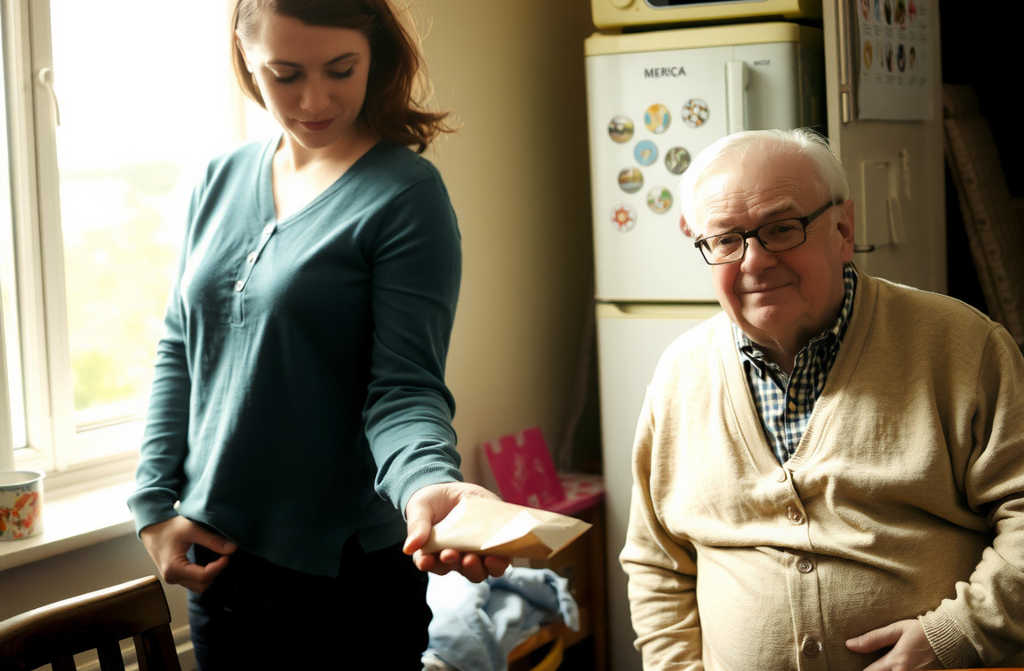
The next day, after work, Susan timidly knocks on Georges door, holding a small wrapped gift. He opens it.
Good evening, George, she says, extending the present. Please accept this and forgive me, for Gods sake. I was undeservedly harsh yesterday; you were right.
She pours out her apologies; he listens without interrupting. When she finishes, he smiles.
What a pleasant surprise. Ill accept the gift and your apologies, provided you join me for a little celebration its my birthday today.
Oh, happy birthday! The timing of the gift is perfect, Susan replies. Id love to help.
Together with Vera they set the table. While they do, Susan opens up about herself: how, as an innocent university student, she once fell for a married man, got pregnant, he arranged a hospital visit and paid all the costs, then they split. She never could have children afterward, which perhaps explains why her ex left her.
The table is ready when a knock sounds at the door. Susan hurries to open it; a tall, smiling fortyyearold man stands there.
Hello, Im Veras son, Roman, he introduces himself.
Hello, Susan, come in, she says.
The conversation around the table is lively; they toast George, wish him health and happiness, and laugh heartily. Roman, a former geologist turned longhaul truck driver, is full of stories. He tells how his mother is slightly infatuated with George, and he suspects the feeling is mutual.
Its winter now, snow falling thickly, the town is quiet, no wind. Susan and Roman chat for hours, and despite the cold it feels warm. Eventually they part ways.
Three days later Roman informs Susan hes heading out on a weeklong route.
Will you wait for me? he asks.
Of course, Ill be waiting, she replies.
Thus their romance begins, deepening into genuine love. They marry, Susan moves in with Roman, and a year later their little boy, Arthur, is born. When Roman is away on a long haul, Susan and Arthur spend some time back in her council flat.
Days pass quickly in anticipation. Vera and George help and adore their grandson. Theres no need to look for a better nanny they have the best caretakers already.