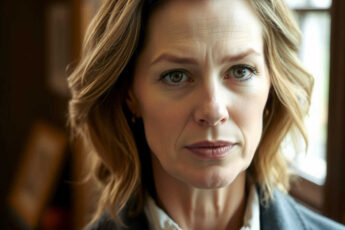
Charlie, are you out of your mind? You think Im inviting you to live with me for a few pounds? I feel sorry for you, thats all.
Charlie sat in his wheelchair, staring through dustladen panes at the street beyond. His wards window looked not onto a bustling road but onto the inner courtyard of the hospital, where a cosy little garden of stalls and flower beds lay abandoned, almost empty of people.
It was winter, and the patients rarely ventured out for a walk. Charlie was alone in his bay. A week earlier his neighbour, Jack Tanner, had been discharged home, and ever since Charlie felt a hollow ache he could not name.
Jack had been the sort of sociable, laughing lad who could spin a million tales, performing each as if he were on stage. He was, after all, an acting student on his third year at the Royal Academy of Dramatic Arts.
In short, boredom could not exist in Jacks company. Moreover, Jacks mum visited daily, bringing fresh scones, fruit, sweetsgenerous treats that Jack shared with Charlie.
When Jack left the ward, a domestic warmth seemed to dissolve, and Charlie felt lonelier than ever, as if he mattered to no one.
His melancholy was broken by the entrance of a nurse. He looked at her and his spirits sank further: the cheerful young sister Emily had been replaced by the perpetually dour, foreverdispleased Mrs. Margaret Hargreaves.
In the two months he had spent in the hospital, Charlie had never seen Margaret smile; her voice matched the hard line of her facesharp, gruff, uninviting.
Now, why are you dawdling? Back to the bed! she barked, clutching a syringe already filled with medicine.
Charlie sighed, resigned, turned his chair and shuffled to the bedside. Margaret, with a swift movement, helped him lie down and then, as if she were a gymnast, rolled him onto his stomach.
Strip off your trousers, she ordered. Charlie obeyed, feeling nothing. Margarets injections were always administered with practiced skill, and each time he thanked her silently in his mind.
Wonder how old she is, Charlie mused, watching her focus on the faint vein in his gaunt arm, probably retired by now. A small pension, no wonder shes so sour.
At last Margaret slipped a thin needle into the paleblue vein that barely showed, making Charlie wince just a fraction.
All done. Did the doctor come today? she asked, already gathering her things.
No, not yet, Charlie shook his head, maybe later?
Dont linger by the window it drafts, and youre as dry as a codpiece, Margaret warned, and slipped out.
Charlie wanted to snap at her, but he couldnt. Beneath her brusque tone there was a thread of concern, however thin, that he had never known before.
Charlie was an orphan. His parents had perished when he was four, a fierce fire devouring their countryside cottage. He was the sole survivor, saved only by a searing scar on his shoulder and wrist. His mother, with her last breath, had hurled him through a shattered window onto the snowcovered lane, just a minute before the roof collapsed in flames, burying the rest of the family.
He was placed in a childrens home. Relatives existed on paper, but none rushed to shelter him.
From his mother he inherited a gentle, dreamy nature and bright green eyes; from his father, height, a loping gait, and a knack for numbers.
His memories of them were fragmentary, like flickering scenes from an old film: him laughing at a village fête, waving a colourful flag, or perched on his fathers shoulders feeling a warm summer breeze on his cheeks.
He also recalled a great ginger cat called either Whiskers or Barley. Everything else had been consumed by the fire, even the family photo album.
No one visited him in hospitalthere was no one left. When Charlie turned eighteen, the state allocated him a bright single room in a council flat on the fourth floor.
Living alone suited him, though at times a melancholy rose in his chest, threatening tears. He grew accustomed to solitude and even found its hidden advantages.
Yet his orphanage childhood haunted him: watching families with children on playgrounds, in supermarkets, on the streets, brought bitter, restless thoughts.
After school Charlie hoped to enter university, but his grades fell short; he enrolled in a technical college instead. The courses appealed to him, and the vocation suited his mind.
Relations with his fellow students never clicked; his quiet, introverted nature made him uninteresting to them. He had little to discuss, preferring books and scientific journals to noisy student parties and video games.
Conversations, when they occurred, centred solely on coursework. As for girls, his modesty never won him points; louder, more assertive lads always captured their attention.
At eighteen and a half Charlie still looked no older than sixteen. He became the groups white crow, a label that scarcely bothered him.
Two months earlier, hurrying to a lecture, he slipped on an icy pavement in a subway passage, breaking both legs. The fractures were complex, healing slowly and painfully, though the last few weeks brought improvement.
He hoped for discharge soon, but anxiety crept in: the building where he lived lacked a lift or any access for people with disabilities. He would have to remain in a wheelchair for a long while yet.
After lunch, Dr. Robert Whitfield, a trauma surgeon, entered the ward. He examined Charlies legs and the Xrays, then announced:
Good news, Charles. Your fractures are finally knitting together as they should. In a few weeks youll be on crutches. Theres no point keeping you here; youll continue treatment as an outpatient. In about an hour theyll bring your discharge papersanyone meeting you on the way?
Charlie gave a silent nod.
Excellent. Ill summon Margaret; shell help you pack. Stay healthy, Charles, and try not to end up here again.
Ill try, Charlie replied.
The doctor winked and left, and Charlie began to puzzle over his next steps. Margaret interrupted him.
What are you doing sitting there? Youre being discharged, she said, handing him a backpack that lay beneath the bed, Gather your things. Mrs. Susan Clarke will change your linens.
Charlie stuffed his few belongings into the sack, feeling Margarets sharp eyes on him.
Why did you lie to the doctor? she asked, tilting her head slightly.
Lie about what? Charlie asked, puzzled.
Dont fool yourself, Charlie. I know no ones coming for you. How will you get home?
Ill manage somehow, he muttered.
You wont be able to walk for at least half a month. How do you plan to live then?
Ill figure it out; Im not a child.
Suddenly Margaret sat on the edge of the bed, leaned close and whispered:
Charles, this may not be my business, but with injuries like yours youll need help. You cant do it alone. Dont take offence; Im being honest.
Ill manage on my own, he replied.
You wont. Ive been in nursing for years. Why argue like a child? she snapped.
Even so, why are you telling me this? he asked.
Because youre staying with me for now. I live far out of town, but the front porch is just two steps. Theres a spare room. Once youre on your feet you can go back home. Im widowed; no children. I could use a companion.
Charlie stared, stunned. Live with her? She was a stranger, and he had long stopped expecting anyone but himself.
Whats the matter? Margaret demanded, frowning.
Its awkward, he stammered.
Stop playing the hero, Charlie. Its uncomfortable to be in a wheelchair in a house without a lift or a ramp. So, are you coming to stay with me?
He hesitated. Living with a complete stranger felt strange, yet his mobility was still limited and Margaret, despite her harshness, seemed not entirely foreign.
Suddenly he realized that throughout his months in the ward she had looked after him in her own way: Dont forget your tea, the windows chilly today, Yes, have that cheese calcium for you, little reminders that echoed in the ward.
Now she was the only person in the whole world ready to help him.
Ill stay, he finally said, but I have no money my grant wont arrive soon.
Margaret, arms crossed, stared at him, then furrowed her brow and, with a hint of wounded pride, repeated:
Charlie, are you out of your mind? You think Im inviting you here for money? I feel sorry for you, and thats it.
I was just thinking Charlie began, then stopped, apologising, I didnt mean to offend you.
Im not offended. Lets get you to the sickbay; sit there for a while, she ordered, my shift ends soon and well go.
Margaret lived in a tidy little cottage with narrow windows. Inside were two snug rooms, one of which Charlie now occupied.
In the first days he was shy, rarely leaving his room, careful not to trouble his host with requests.
Seeing this, the elderly nurse spoke plainly:
Stop being shy. Ask for what you need; youre not a guest.
In truth Charlie liked it there: snowdrifts framed the windows, the crackle of logs in the hearth, the scent of hearty stewreminders of his own home and a distant, happy childhood.
Days passed. The wheelchair remained, then the crutches. It was time to return to the city.
After another visit to the clinic, Charlie, a little limp, walked beside Margaret, sharing plans for the coming weeks:
Ill have to sit exams, credits lost so much time, it feels like a nightmare. I dont want to go back to college.
Take your time, Margaret said, your technical college wont disappear. Start moving now, even if it hurts. What did the doctor say? Reduce load on your legs!
Over recent weeks they had grown close. Charlie increasingly caught himself not wanting to leave the cosy cottage or the endlessly kind woman who felt like a second mother.
She had become, to the orphan, a surrogate mother, though he never gathered the courage to admit it to her or to himself.
The next morning Charlie packed his things. While hunting for his phone charger, he froze: at his doorway stood Margaret, tears streaming down her cheeks. Driven by an inexplicable impulse, he stepped forward and held her tightly.
Will you stay, Charlie? she whispered through sobs, What will I do without you?
And he stayed.
Years later, Margaret took a place of honour at his wedding, seated beside the grooms mother at the head table. A year after that she cradled her newborn greatgranddaughter in the maternity ward, naming her after herself.
l ed her newborn greatgranddaughter in the maternity ward, naming her after herself. In the soft glow of the fluorescent lights, Margaret held the tiny bundle, feeling the same fierce protectiveness that had first surged when she saw Charlies frail form in the ward. The childs eyes, a startling shade of green, seemed to echo the forest glades of Charlies childhood, and for a moment the past and present collided in a perfect, quiet circle.
Later that evening, as the snow fell gently outside the cottage that had become both their home and their haven, Charlie stood beside the fire, a cup of tea in his hands. He watched Margaret rock the infant, humming a lullaby she had once whispered to him when the winter wind rattled the windows. The melody floated through the room, weaving the memories of his mothers final breath, the warmth of Jacks jokes, and the stern kindness of Margaret into a single, harmonious chord.
Did you ever think, Charlie asked softly, that life could bring us back to the places we thought were lost?
Margaret smiled, a rare, unguarded smile that lit her face like sunrise. No, she replied, but Ive learned that the heart finds a way to rebuild, even from ashes.
The fire crackled, the snow continued its silent dance, and the cottage stood firma testament to resilience, to unexpected love, and to the truth that sometimes the most unlikely companions become the family we choose.
As the newborns tiny hand brushed his cheek, Charlie felt a gentle rush of purpose. He would return to the city, to his studies, to the garden of stalls that once lay empty, now a bustling hub of community life. He would plant a row of sunflowers in the courtyard, a living reminder that even after the darkest fire, there is always room for new growth.
And Margaret, with her years behind her, finally felt the weight of grief lift, replaced by the quiet joy of watching generations intertwine. She whispered a promise to the child: We will never be alone again.
The story of Charlie and Margaret became a quiet legend in the towna tale told over steaming cups of tea, reminding everyone that kindness, once given, can bloom into something neither of them ever imagined, and that home is not a place, but the people who hold you when the world feels cold.